
Category: Desilicious HomeBlog

  • Art Of Making Pasta Perfectly

    Art Of Making Pasta Perfectly

    Art Of Making Pasta Perfectly

    Making pasta may seem simple — just boil, drain, and toss with sauce — but true pasta perfection is an art form.

    Every step, from choosing the right pasta to cooking it just right, plays a role in creating a dish that’s flavorful, balanced, and satisfying.

    Whether you’re a beginner or a seasoned home cook, mastering the art of pasta will elevate your kitchen skills to a whole new level.


    Choosing the Right Pasta

    The foundation of perfect pasta begins with the type you choose. Pasta comes in countless shapes and textures, and each pairs best with certain sauces:

    • Long and thin pastas (like spaghetti or linguine) go well with light sauces such as olive oil, garlic, or seafood-based ones.
    • Ribbon pastas (like fettuccine or tagliatelle) complement creamy sauces like Alfredo or carbonara.
    • Short, ridged pastas (like penne or rigatoni) hold chunky sauces better — think tomato or meat-based sauces.

    Choosing the right pasta ensures your sauce clings beautifully and the texture stays balanced.


    Step 1: Boil the Water Properly

    A common mistake is not using enough water. Always use a large pot — about 4–6 quarts of water per pound of pasta. Bring it to a rolling boil before adding salt.

    Add 1–2 tablespoons of salt to the boiling water. This may sound like a lot, but it’s essential — the salt enhances the pasta’s flavor from the inside out. Remember, this is your only chance to season the pasta itself.


    Step 2: Cook to Al Dente

    Add the pasta and stir immediately to prevent sticking. Follow the cooking time on the package but start checking 1–2 minutes earlier. The goal is al dente — tender yet firm to the bite.

    Overcooking pasta leads to a mushy texture that ruins the dish. When it’s just right, drain it but save a cup of the pasta water — this starchy liquid helps blend the sauce later.


    Step 3: Don’t Rinse the Pasta

    Never rinse pasta after boiling unless you’re making a cold salad. Rinsing removes the natural starch that helps sauces stick to the noodles. Instead, toss it immediately with your sauce while still warm — this allows the flavors to meld beautifully.


    Step 4: Perfect the Sauce

    Great pasta deserves great sauce. Whether it’s tomato-based, creamy, or olive oil–infused, balance is key. A good sauce should coat the pasta, not drown it.

    To make it restaurant-style, add your drained pasta directly into the pan of simmering sauce. Pour in a bit of the reserved pasta water and toss for 1–2 minutes. The starch from the water will make the sauce silky and help it cling perfectly to each strand.


    Step 5: Finishing Touches

    Finish your pasta like a pro with these small details:

    • Add a drizzle of extra virgin olive oil before serving.
    • Sprinkle fresh herbs like basil, parsley, or oregano.
    • Grate Parmesan or Pecorino Romano cheese over the top for richness.
    • A touch of freshly cracked pepper adds depth to almost any pasta dish.

    These little extras make a world of difference and elevate your dish from simple to sensational.


    Common Mistakes to Avoid

    • Using too little water — it makes pasta sticky.
    • Not salting the water enough — the pasta will taste bland.
    • Adding oil to the boiling water — it prevents sauce from sticking.
    • Leaving pasta sitting after draining — it clumps and dries.

    Avoiding these mistakes ensures your pasta always turns out restaurant-worthy.


    Final Thoughts

    The art of making pasta perfectly isn’t just about technique — it’s about care and timing. When done right, even the simplest pasta dish becomes a comforting, flavorful masterpiece. So next time you cook, slow down, taste as you go, and remember: great pasta isn’t rushed — it’s crafted with love.
  • An Indian Version Of Ramen

    An Indian Version Of Ramen

    An Indian Version Of Ramen

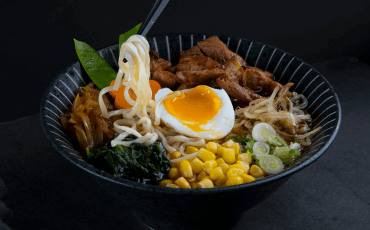
    Ramen — the beloved Japanese noodle soup — has taken the world by storm with its comforting broth, chewy noodles, and savory toppings.

    But what happens when this Japanese classic meets Indian flavors? You get a bold, spicy, and flavor-packed fusion dish — an Indian version of ramen that’s both familiar and exciting.

    The best part? You can easily make it at home with ingredients you already have in your kitchen.


    Why Try Indian-Style Ramen?

    Traditional ramen is known for its rich umami broth and subtle seasoning. The Indian twist brings in aromatic spices, heat, and a touch of masala magic — creating a vibrant blend that appeals to local palates. It’s perfect for those who love desi flavors but still want to enjoy the comfort of a ramen bowl.


    Ingredients You’ll Need

    For the broth:

    • 3 cups chicken or vegetable stock (or water with a bouillon cube)
    • 1 tablespoon oil
    • 1 small onion (finely chopped)
    • 3–4 cloves garlic (minced)
    • 1-inch piece ginger (grated)
    • 1 tomato (chopped)
    • 1 teaspoon soy sauce
    • 1 teaspoon vinegar
    • ½ teaspoon garam masala
    • ½ teaspoon turmeric powder
    • 1 teaspoon red chili powder (adjust to taste)
    • Salt to taste

    For the noodles and toppings:

    • 2 packs ramen noodles (or any instant noodles)
    • 1 boiled egg (optional)
    • Mixed vegetables (carrot, capsicum, spring onion, corn, or cabbage)
    • Cooked chicken, paneer, or tofu for protein
    • Fresh coriander or mint for garnish
    • Lemon wedges

    Step 1: Prepare the Broth

    Heat oil in a deep pan or wok. Add chopped onion, garlic, and ginger. Sauté until golden and aromatic. Then add tomatoes and cook until soft.

    Next, add all the spices — garam masala, turmeric, and red chili powder. Stir well to release the flavors. Pour in the stock, soy sauce, and vinegar. Let it simmer for 5–7 minutes to develop a rich, spiced broth.


    Step 2: Cook the Noodles

    In a separate pot, boil the ramen noodles according to the package instructions. Drain and set aside. If you’re using instant noodles, you can skip the flavoring packet — the Indian-style broth has enough taste!


    Step 3: Combine and Simmer

    Add the cooked noodles into the simmering broth. Toss in your vegetables and protein of choice — chicken, paneer, tofu, or even boiled chickpeas for a vegetarian version. Let it cook for another 2–3 minutes, just enough for the noodles to soak in the spices.


    Step 4: Garnish and Serve

    Pour the ramen into bowls. Top it with a halved boiled egg, a sprinkle of chopped coriander, and a squeeze of lemon juice. For an extra kick, drizzle a bit of chili oil or add a spoon of green chutney — an Indian twist that takes it to the next level.


    Tips to Make It More Flavorful

    • Use curry paste: Add a teaspoon of curry paste or tikka masala paste for extra richness.
    • Experiment with toppings: Try crispy fried onions, roasted peanuts, or sev for a unique texture.
    • Make it vegetarian-friendly: Use vegetable broth and tofu instead of chicken.
    • Balance the spice: If it becomes too spicy, a splash of coconut milk can mellow the heat while adding creaminess.

    Why You’ll Love This Fusion

    Indian-style ramen is more than just a twist — it’s comfort food reinvented. It combines the warmth of Indian spices with the soul of Japanese ramen, creating a dish that’s both nostalgic and new. It’s ideal for chilly evenings, quick lunches, or when you’re craving something bold yet soothing.


    Final Thoughts

    Ramen may have originated in Japan, but food knows no boundaries. The Indian version of ramen brings together the best of both worlds — spice, comfort, and creativity. So the next time you make noodles, skip the regular masala and give this fusion a try. One slurp, and you’ll realize this Indo-Japanese combo deserves a permanent place in your recipe book!

  • Make Grilled Chicken At Home

    Make Grilled Chicken At Home

    Make Grilled Chicken At Home

    Grilled chicken is one of the easiest and healthiest dishes you can prepare at home. Whether you’re cooking for your family or friends, a perfectly grilled piece of chicken never fails to impress.

    The best part? You don’t need a fancy grill or restaurant setup to make it.

    With a few simple ingredients and the right techniques, you can achieve that smoky, juicy flavor right in your kitchen or backyard.


    Ingredients You’ll Need

    • 2 boneless chicken breasts (or thighs)
    • 2 tablespoons olive oil
    • 1 tablespoon lemon juice
    • 2 cloves garlic (minced)
    • 1 teaspoon salt
    • ½ teaspoon black pepper
    • 1 teaspoon paprika
    • ½ teaspoon chili powder (optional for spice)
    • Fresh herbs (like rosemary or thyme) for added flavor

    Step 1: Prepare the Chicken

    Start by cleaning and patting the chicken dry with a paper towel. If the chicken breasts are too thick, slice them horizontally to make even pieces. This helps them cook evenly and prevents burning on the outside while staying raw inside.

    Next, make a few shallow cuts on each piece. This allows the marinade to seep into the meat and enhances flavor.


    Step 2: Make the Marinade

    In a mixing bowl, combine olive oil, lemon juice, garlic, salt, pepper, paprika, and chili powder. Mix well. Add the chicken pieces and coat them thoroughly in the marinade.

    Cover the bowl and let it rest in the refrigerator for at least 30 minutes. For deeper flavor, marinate it for 2–3 hours or even overnight.


    Step 3: Preheat the Grill or Pan

    If you have an outdoor grill, preheat it to medium-high heat. If not, a stovetop grill pan or even a cast-iron skillet works perfectly. Lightly brush the grill or pan with a bit of oil to prevent sticking.


    Step 4: Grill the Chicken

    Place the chicken on the hot grill and cook for about 5–7 minutes on each side, depending on thickness. Avoid flipping too often — let it cook properly on one side to develop that golden-brown crust and smoky flavor.

    To check doneness, insert a meat thermometer into the thickest part — it should read 165°F (74°C).

    If you’re using a stovetop pan, you can cover it with a lid to trap heat and ensure the chicken cooks evenly inside.


    Step 5: Let It Rest

    Once done, remove the chicken from the grill and let it rest for about 5 minutes. This helps the juices redistribute, making the meat tender and juicy.


    Step 6: Serve and Enjoy

    Slice the grilled chicken and serve it with your favorite sides — roasted vegetables, mashed potatoes, or a fresh salad. You can also use it in wraps, sandwiches, or pasta for a quick meal.

    For an extra burst of flavor, drizzle a little lemon juice or sprinkle fresh herbs before serving.


    Pro Tips for Perfect Grilled Chicken

    • Don’t overcook: Overcooked chicken becomes dry and chewy. Use a thermometer for accuracy.
    • Marinate longer: The longer you marinate, the better the flavor.
    • Use bone-in pieces for more flavor: If you don’t mind a little extra cooking time, bone-in chicken gives a richer taste.
    • Experiment with spices: Try different marinades — yogurt-based for Indian-style, BBQ sauce for smoky flavor, or soy-ginger for an Asian twist.

    Final Thoughts

    Making grilled chicken at home is simple, affordable, and rewarding. With just a few ingredients and basic tools, you can create a restaurant-quality meal that’s both healthy and delicious. So next time you’re craving something flavorful, skip the takeout and fire up your grill — your taste buds will thank you!